
Uncategorized
How to Understand Market Trends with Analysis Tool
Market trends don’t emerge in isolation. They develop through the interplay of institutional capital flows, earnings momentum, macro conditions, and investor sentiment. Understanding market trends requires tools that can surface these signals in a coherent, actionable way.
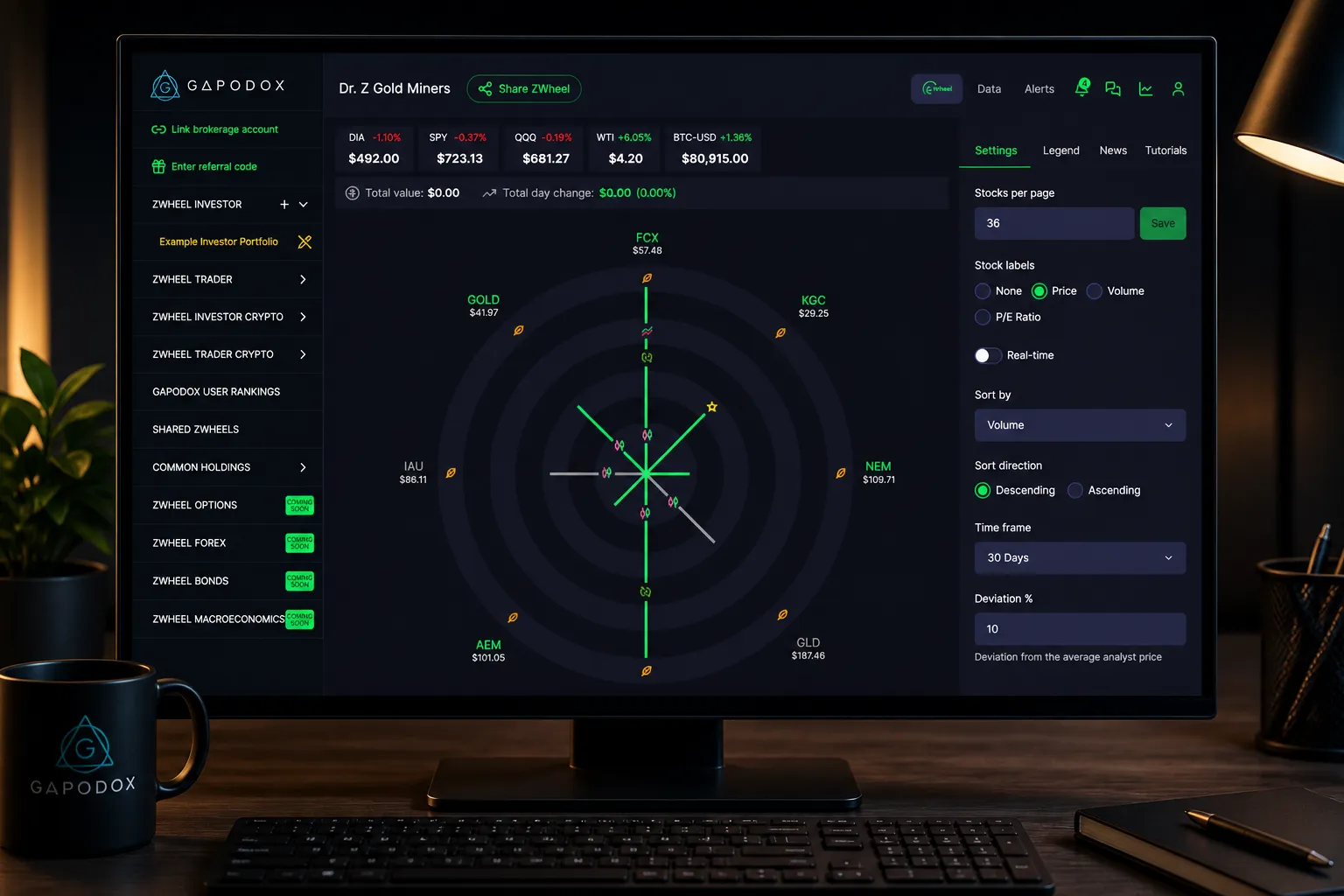
Gapodox helps investors understand market trends by combining institutional positioning data with company fundamentals and insider activity in a single analytics dashboard.
What does it mean to truly understand a market trend?
Understanding a market trend means knowing whether it is driven by fundamental improvement, institutional rotation, macroeconomic shifts, or sentiment. Price alone tells you a trend exists. Data tells you why, and how durable it is likely to be.
What types of data help identify market trends early?
- Institutional inflows into specific sectors from 13F filings
- Clustered insider buying at multiple companies in the same industry
- Earnings revision trends across peer groups
- Changes in short interest indicating shifting sentiment
- Relative performance of sectors and subsectors over rolling periods
How does institutional data reveal trend direction?
When major hedge funds are collectively increasing exposure to a sector, it often signals conviction in a developing trend. Conversely, when institutional investors are reducing positions across a sector simultaneously, it may indicate the trend is reversing before price fully reflects the shift.
How does Gapodox help you track market trends?
Gapodox lets you filter institutional holdings and insider activity by sector and industry, making it easier to identify where smart money is rotating into or out of. Combined with fundamental data, you can build a picture of which trends are backed by both institutional conviction and improving business fundamentals.
Why is trend analysis more valuable with institutional context?
Price trends can be driven by momentum, speculation, or genuine fundamental improvement. Institutional context helps you distinguish between them. A trend backed by hedge fund accumulation and insider buying is more likely to be durable than one driven by retail sentiment alone.