
Uncategorized
How to Track Politician and Congress Stock Trades
Politicians are required to disclose their stock trades, and tracking this activity has become an increasingly important part of institutional research for sophisticated investors. Congress members who sit on committees overseeing specific industries sometimes trade in companies directly affected by their policy decisions.
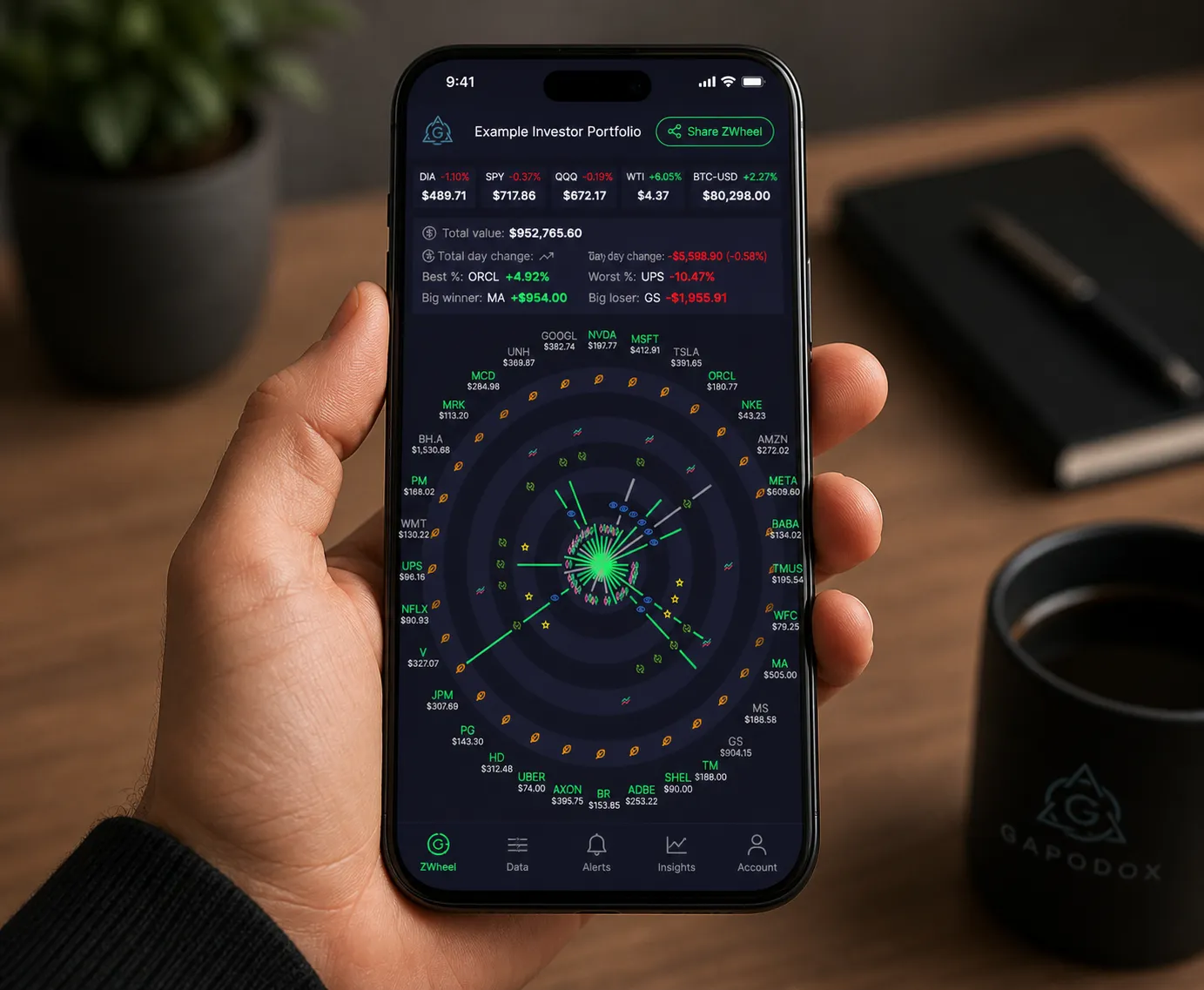
Gapodox helps investors track all forms of disclosed investment activity — including congressional and executive branch trades — alongside institutional holdings and fundamental data.
What disclosures are politicians required to file?
Under the STOCK Act, members of Congress must file Periodic Transaction Reports within 30 to 45 days of any trade over $1,000. These reports include the security traded, whether it was a purchase or sale, and the approximate transaction size. Senate disclosures are available through eFD, while House disclosures are filed separately through the House system.
How do you access and track congressional stock trades?
- Search government disclosure databases directly via Senate or House websites
- Use dedicated politician trading tracker platforms that aggregate and normalize filings
- Set up alerts for trades by specific members or in specific sectors
- Cross-reference disclosures with committee assignments and legislative activity
Which politicians’ trades are most worth following?
Members who sit on committees with jurisdiction over specific industries — technology, healthcare, defense, financial services — are often the most interesting to track. Trades made shortly before major policy announcements or votes have historically attracted the most scrutiny.
How does congressional trading data fit into broader investment research?
Congressional trading data is most valuable when it aligns with other signals in your research. If a senator purchases shares in a biotech company shortly before a regulatory decision, and institutional investors are also increasing their exposure, and company insiders are buying — that combination is far more meaningful than any single data point in isolation.
What should you be cautious about with this data?
Congressional trading data has a significant lag, trades may reflect personal financial planning rather than policy knowledge, and not all disclosures are filed accurately or on time. Use it as one input in your research process, not as the primary driver of investment decisions.