
Uncategorized
How to Research Stocks Using Insider Trade Data?
Insider trading data is one of the most underutilized sources of investment intelligence available to retail investors. When company executives and directors buy shares with their own money, they are making a statement about their conviction in the company’s future.
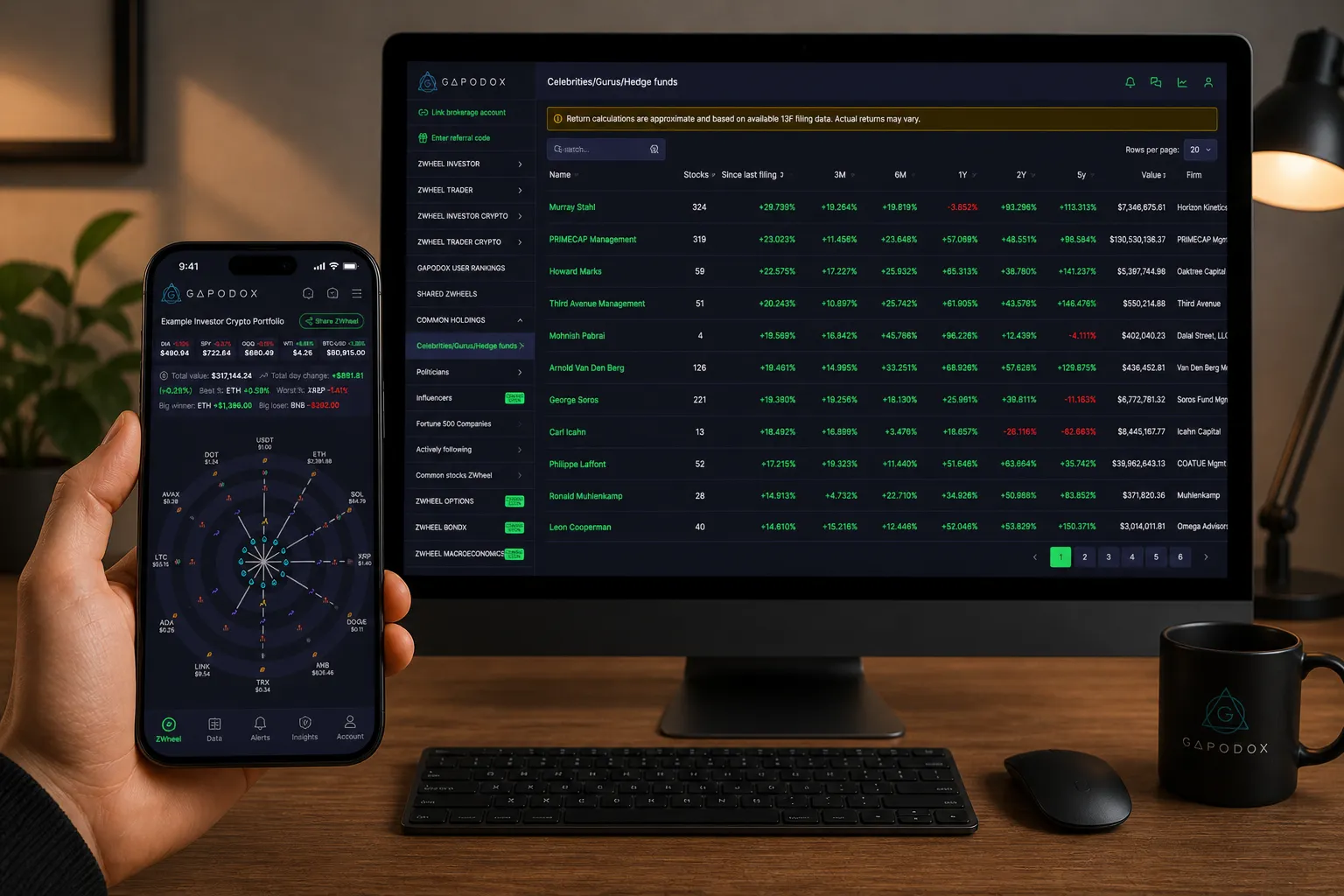
Gapodox makes it easy to research stocks using insider trade data alongside hedge fund positioning and company fundamentals, giving you a more complete picture before making a decision.
Why does insider trade data help in stock research?
Insiders have access to material non-public information about their companies’ operations, pipeline, and financial health. While they cannot legally trade on that information, their disclosed transactions often reflect genuine conviction. When insiders are buying, they typically believe the stock is undervalued or that positive developments are ahead.
How do you incorporate insider data into stock research?
- Identify recent open-market purchases by executives or directors
- Note whether multiple insiders are buying around the same time
- Compare transaction size to the insider’s existing holdings
- Cross-reference with institutional activity in the same stock
- Review the company’s fundamentals to validate the thesis
What types of insider transactions are most informative?
Open market purchases carry the most weight because insiders are choosing to put their own capital at risk. Scheduled sales under 10b5-1 plans are less informative. Option exercises followed by immediate sales are routine and typically not meaningful signals.
How does Gapodox make insider research more efficient?
Gapodox aggregates Form 4 disclosures and displays them alongside institutional holdings and fundamental data for each company. Instead of searching through SEC filings manually, you can see a clear timeline of insider activity for any stock in your research process, filtered by transaction type and size.
What should you avoid when using insider data for research?
Avoid treating any single insider transaction as a definitive buy signal. Insiders sell for many reasons — taxes, diversification, personal expenses — that have nothing to do with their view of the company. Focus on patterns and clusters of activity rather than individual transactions, and always combine insider data with other forms of analysis.